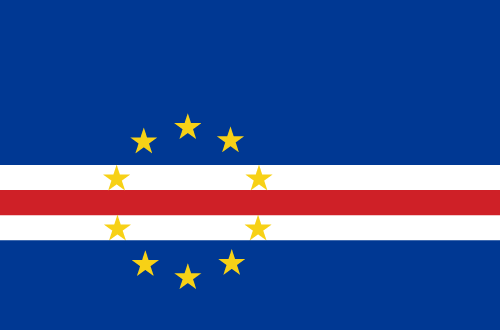

Cape Verde is an island country located in the North Atlantic Ocean, consisting of 10 islands, 450 kilometers from the coast of West Africa. It covers an area of about 4,033 square kilometers, has a population of 540,000, and has an exclusive economic zone of more than 800,000 square kilometers.
After 20 years of sustained economic growth, Cape Verde became the first middle-income country in Africa in 2007. Cape Verde's economy is dominated by the service industry, with output accounting for more than 70% of GDP, mainly including tourism, transportation, trade and public services, among which tourism has become the main source of national economic growth and employment.
The Cape Verdean government has issued the "2017-2021 Strategic Plan for Sustainable Development" (PEDS), and has formulated medium- and long-term development goals from 2017 to 2021, mainly including: enhancing social inclusion, reducing the gap between the rich and the poor in society and regional polarization; safeguarding national sovereignty, attaching importance to the development of democracy, leading foreign policy, further consolidating national political, institutional and social stability, enhancing mutual trust with partners and investors, and overcoming various challenges on the road of national development. Focusing on regional economy and security, we will give full play to Cape Verde's geographical location and geo-economic advantages, and actively respond to and integrate into the global economic system.
China and Cape Verde established diplomatic relations in 1976. Since the establishment of diplomatic relations, China has continued to actively provide support for Cape Verde's key development projects. Under the "Belt and Road" initiative, China actively supports the Cape Verdean government in building the St. Vincent Island Special Economic Zone. In 2019, the bilateral trade volume between the two countries was US$63.44 million, mainly for Chinese exports.